The Meaning Behind Traditional İznik Tile Patterns
When you look at an İznik tile, you’re not just seeing a beautiful design — you’re looking at centuries of symbolism, culture, and artistic storytelling. At İznik Works, each pattern reflects deep meaning rooted in Ottoman tradition.
Understanding these motifs transforms every ceramic piece into something far more meaningful than decoration.
The Tulip: Symbol of Perfection
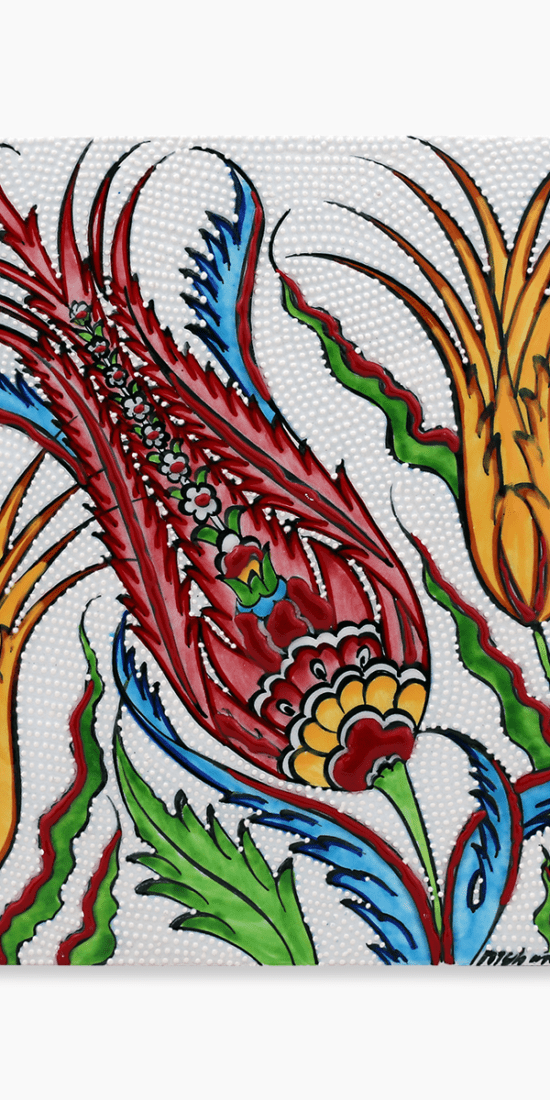
One of the most iconic İznik designs is the tulip. In Ottoman culture, the tulip represents:
-
Divine perfection
-
Harmony
-
Spiritual beauty
Its elegant shape is often used in both tiles and pottery.
The Carnation: Life and Vitality
Carnations symbolize:
-
Energy
-
Health
-
The beauty of life
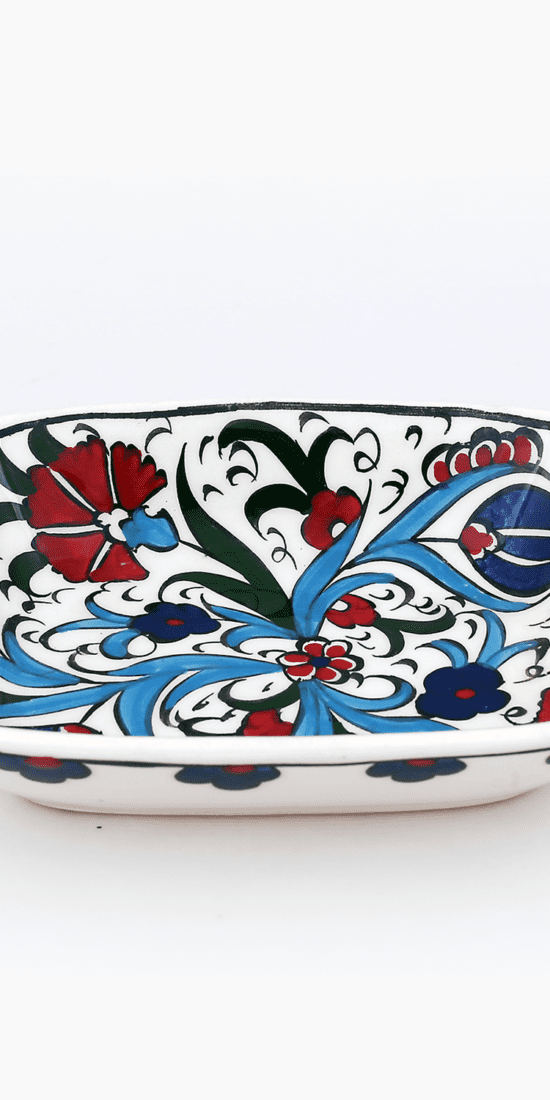
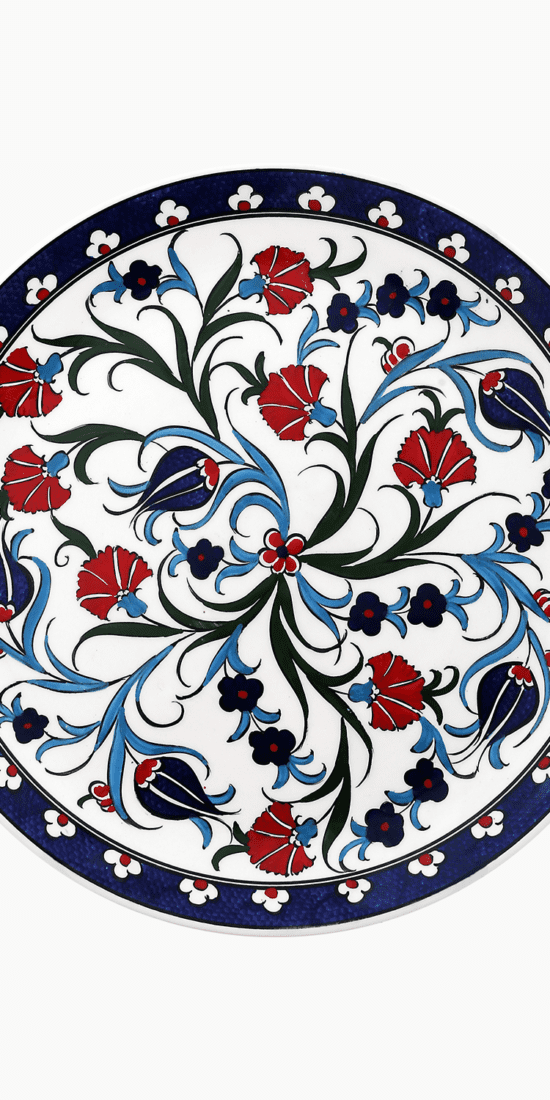
These motifs are often painted in flowing compositions that bring movement to each piece.
The Rose: Love and Balance
The rose is associated with:
-
Love
-
Spiritual balance
-
Inner peace
It is one of the most expressive and detailed elements in İznik art.
Geometric Patterns: Order and Infinity
Geometric designs in İznik ceramics represent:
-
Balance in the universe
-
Infinite continuity
-
Mathematical perfection
These patterns reflect the intellectual depth of Ottoman artistry.
Art with a Story
At İznik Works, every piece carries these meanings forward. Owning one is like owning a piece of history, culture, and philosophy — all captured in ceramic form.